Fit people aren’t disciplined.
They’ve stepped off the willpower treadmill.
Because about half of your daily behaviour is habit, not choice.
Same way to work. Same coffee order. Same teeth-brushing routine.
The fittest people have just got exercise on that list.
Discipline lives in the prefrontal cortex.
The bit that costs you focus and willpower.
Habit lives in the basal ganglia.
The bit that runs your life on autopilot.
Once it’s bedded in, the brain stops asking.
You just do it.
The catch is the boring middle.
On average, a new behaviour takes a couple of months to become automatic.
That’s a lot of daily decisions before the brain takes over.
And it’s a cruel master.
Good habits feel bad in the moment, good after.
Bad habits feel good in the moment, bad after.
Cheers, evolution.
Two things help.
Anchor it to something you already do without thinking.
Coffee on. Trainers on.
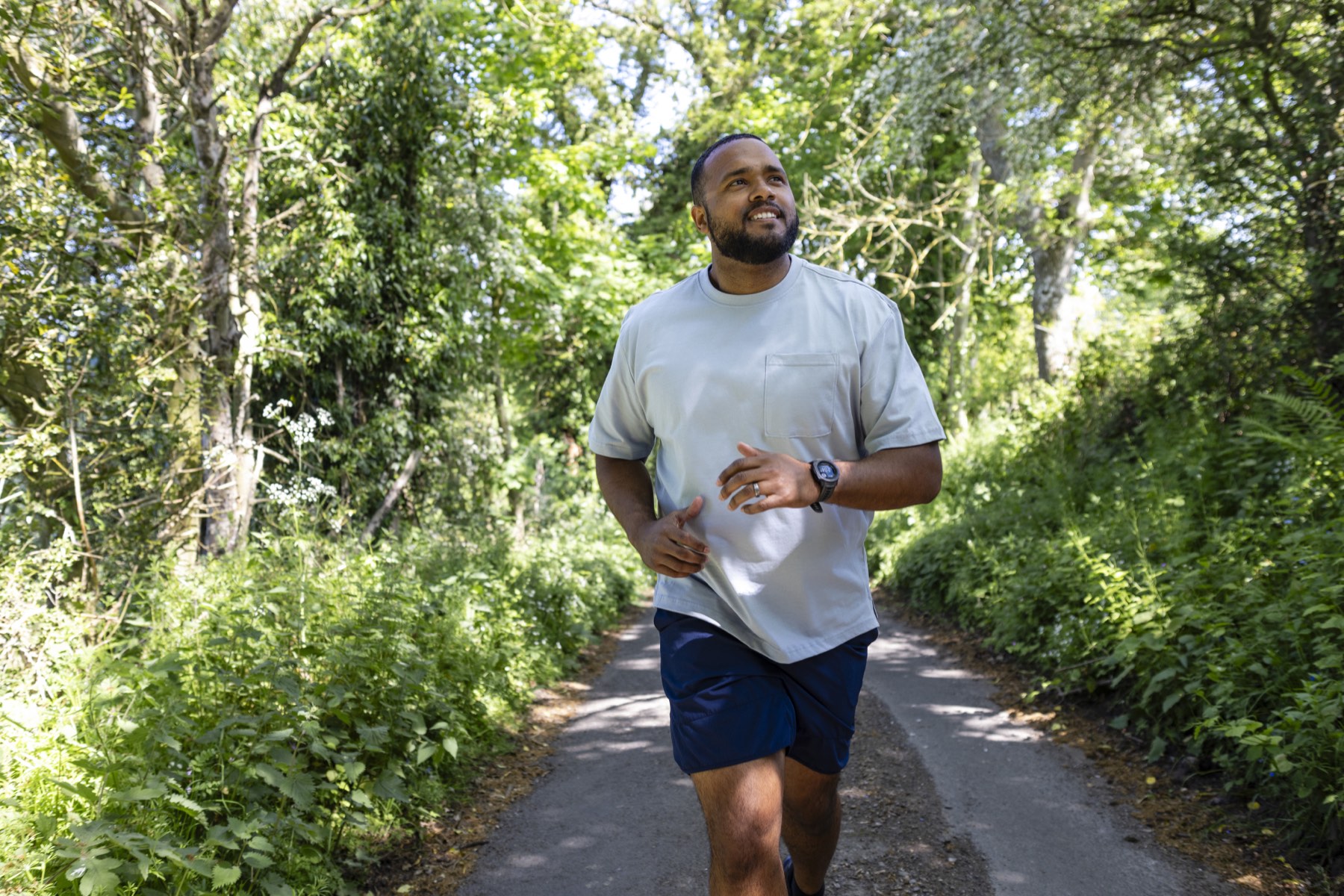
Lunch break. Have a run.
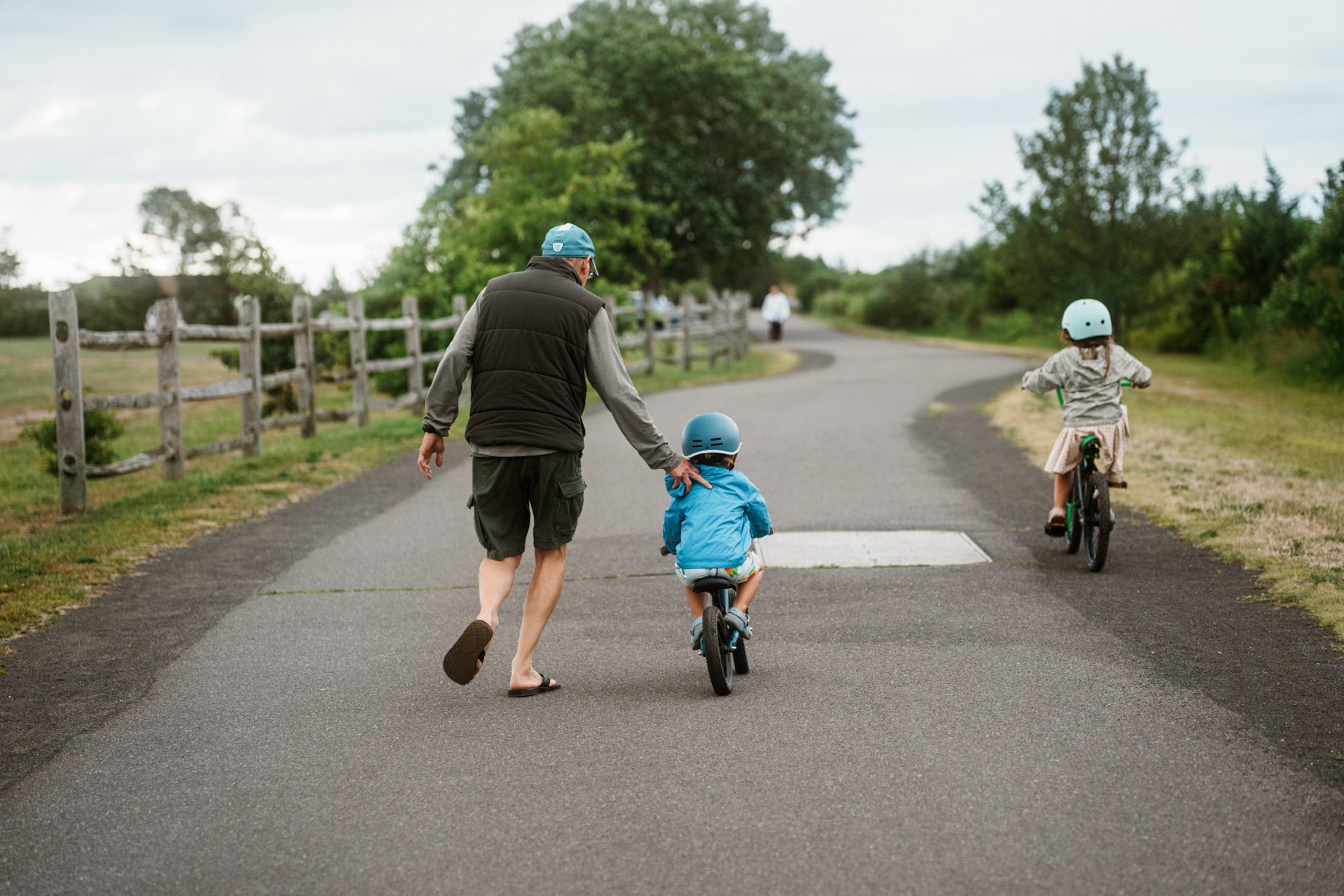
School pickup. Walk, don’t drive.
Put it where doing it is easier than not.
A swim on the way home survives.
Something that’s a thirty-minute detour does not.
Then life lifes and wrecks the timetable.
The 6am window for a cold shower and coffee. The Sunday afternoon cycle. Gone.
But you don’t have to drop the habit.
Just move it somewhere new.
Then it just is.
References:
Lally et al 2010 — average 66 days to habit automaticity (Eur J Soc Psychol)
Wood, Quinn & Kashy 2002 — ~45% of daily behaviour is habitual
Leveraging cognitive neuroscience for making and breaking real-world habits (Trends Cogn Sci 2024)
Marc Lewis – addiction as deep learning, not disease
They’ve stepped off the willpower treadmill.
Because about half of your daily behaviour is habit, not choice.
Same way to work. Same coffee order. Same teeth-brushing routine.
The fittest people have just got exercise on that list.
Discipline lives in the prefrontal cortex.
The bit that costs you focus and willpower.
Habit lives in the basal ganglia.
The bit that runs your life on autopilot.
Once it’s bedded in, the brain stops asking.
You just do it.
The catch is the boring middle.
On average, a new behaviour takes a couple of months to become automatic.
That’s a lot of daily decisions before the brain takes over.
And it’s a cruel master.
Good habits feel bad in the moment, good after.
Bad habits feel good in the moment, bad after.
Cheers, evolution.
Two things help.
Anchor it to something you already do without thinking.
Coffee on. Trainers on.
Lunch break. Have a run.
School pickup. Walk, don’t drive.
Put it where doing it is easier than not.
A swim on the way home survives.
Something that’s a thirty-minute detour does not.
Then life lifes and wrecks the timetable.
The 6am window for a cold shower and coffee. The Sunday afternoon cycle. Gone.
But you don’t have to drop the habit.
Just move it somewhere new.
Then it just is.
References:
Lally et al 2010 — average 66 days to habit automaticity (Eur J Soc Psychol)
Wood, Quinn & Kashy 2002 — ~45% of daily behaviour is habitual
Leveraging cognitive neuroscience for making and breaking real-world habits (Trends Cogn Sci 2024)
Marc Lewis – addiction as deep learning, not disease